
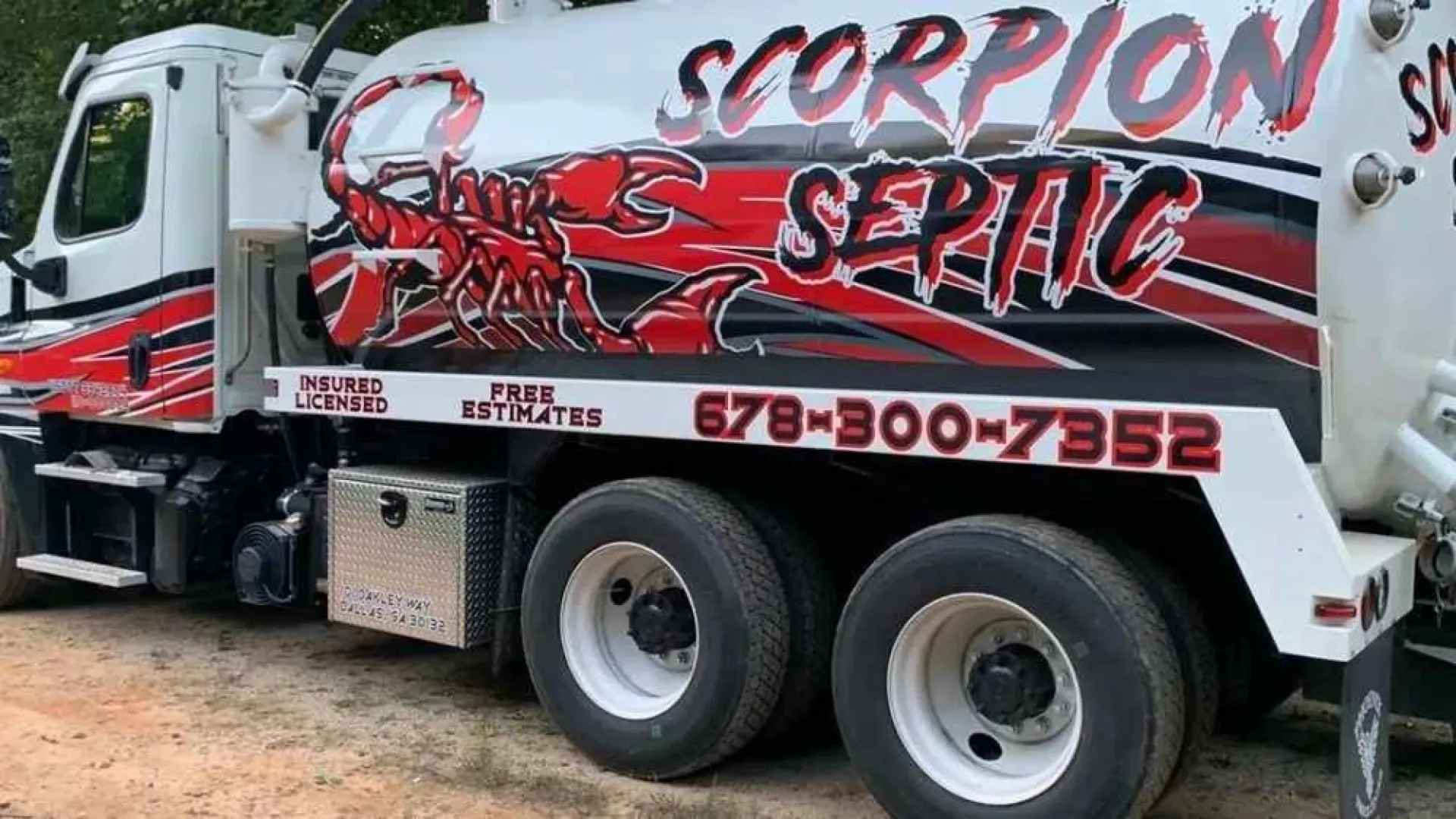
Septic System FAQ for Metro Atlanta Homeowners
Answers to common septic questions about pumping, inspections, repairs, installations, and maintenance for homeowners across Metro Atlanta and surrounding areas
Septic Pumping Questions
How often should a septic tank be pumped in Georgia?
Many household septic tanks need pumping about every 3-5 years because pumping frequency depends heavily on tank size, wastewater generated, and solid accumulation. Homes with garbage disposals or higher water usage may require more frequent service. Routine septic pumping helps prevent backups, protects the drain field, and extends the life of your septic system.
How much does septic tank pumping cost in Metro Atlanta?
Residential septic pumping starts around $325 for tanks up to 1,000 gallons and around $425 for tanks up to 1,500 gallons. Final pricing may vary depending on tank size, accessibility, system condition, and any additional services required. Commercial systems are quoted individually.
How do I know if my septic tank is full?
Common signs that a septic tank may be full include slow drains, sewage odors near plumbing fixtures or outside, gurgling pipes, standing water near the drain field, or sewage backing up into the home. If these warning signs occur, the tank may need pumping or inspection to prevent further system damage.
What happens during a septic tank pumping and cleaning service?
During septic pumping, technicians locate the tank, remove the access lid, and use professional vacuum equipment to remove accumulated sludge and scum. The technician will also visually inspect the tank, check the inlet and outlet baffles, and ensure the system is functioning properly before resealing the tank.
Septic Inspection Questions
How often should a septic system be inspected?
Routine septic inspections can help identify developing problems before they become larger repairs. Inspection frequency can vary based on system type, age, usage, property needs and local requirments.
What does a septic inspection include?
A septic inspection typically includes locating the tank, checking sludge and scum levels, inspecting baffles, examining drain field conditions, and confirming the system drains properly. The technician may also inspect risers, lids, and visible components of the system.
Do you perform septic inspections for real estate transactions?
Yes. Septic inspections are commonly requested during real estate transactions to help evaluate the condition of the system before closing.
Septic Installation Questions
How long does it take to install a new septic system?
The installation tiemline varies depending on property layout, soil conditions, permitting requirements, weather, and the type of drain field required. Scorpion Septic can provide a more specific timeline after evaluating the project.
How much does a new septic system cost in Georgia?
The cost of a new septic system installation varies depending on soil conditions, system size, property layout, and county permitting requirements. A professional evaluation is typically needed to determine the correct system design and installation cost.
Learn More About Septic System Installation
Septic Repairs & Warning Signs
Why does my yard smell like sewage?
A sewage odor in your yard may indicate a full septic tank, a leaking pipe, or a drain field problem. Odors can occur when wastewater begins surfacing in the soil or when the system is not draining properly. A professional septic inspection can help determine the cause.
Why is water pooling in my yard near the septic system?
Standing water or soggy areas near the septic tank or drain field may indicate that the system is overloaded or not draining correctly. This may be caused by a full tank, clogged pipes, excessive water usage, or failing drain field lines.
Can heavy rain affect my septic system?
Yes. Heavy rainfall can saturate the soil around the drain field, making it harder for wastewater to drain properly. When the soil becomes oversaturated, it can lead to slow drains, backups, or standing water near the septic area.
Septic Sytem Repairs & Drain Field Solutions
Septic Maintenance & Prevention
What should you avoid flushing into a septic system?
Items such as wipes, grease, feminine products, paper towels, chemicals, and excessive food waste should never be flushed into a septic system. These materials can clog pipes, damage system components, and lead to expensive repairs.
What maintenance should be done in the spring for a septic system?
Spring can be a good time to check your septic system and drain field after winter weather and periods of heavy rainfall. Checking for standing water near the drain field, scheduling a septic inspection, and pumping the tank if needed can help prevent problems during the warmer months.
Does routine septic maintenance help prevent costly repairs?
Yes. Regular septic pumping, inspections, and responsible water usage help maintain system performance and reduce the risk of backups, drain field damage, and expensive emergency repairs.
Need Help With Your Septic System?
If you're experiencing septic problems or need routine maintenance, the team at Scorpion Septic is ready to help. We proudly serve homeowners across Metro Atlanta and surrounding counties with reliable septic pumping, repairs, inspections, and installations.